
The True Costs and Challenges of Scaling Software
In discussions about IT project schedules and scopes, one of the most common flashpoints is a misunderstanding of the differences between software maturity levels. A quick, internal prototype that looks great in a demo environment is fundamentally different from a production-grade system designed to reliably serve real users at scale.
Many business stakeholders expect outcomes at the level of a global production system while assuming timelines and budgets appropriate for building prototypes. Understanding why these levels are not merely minor, incremental improvements, but rather require entirely different layers of infrastructure, security, and operational readiness, is crucial for the success of any technology project.
Four Levels of Software Maturity
To properly manage expectations, it is worth classifying software into four maturity levels. Each serves a different business purpose and requires a different engineering approach.
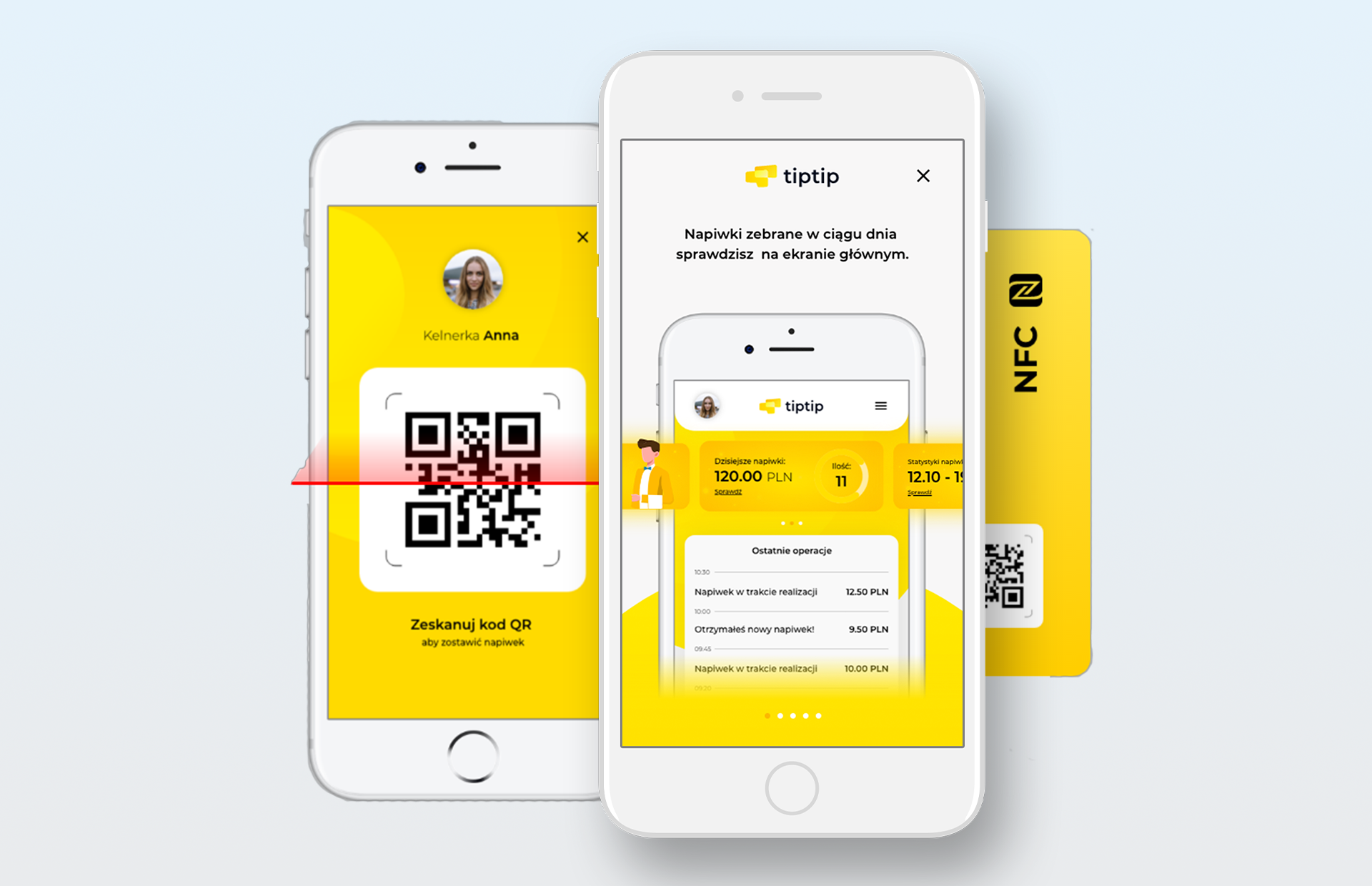
Level 1 – Personal Prototype (“It works on my machine”)
This is the fastest way to validate an idea and capture the right “vibe” of a solution. A prototype typically runs in a controlled environment, often requiring manual interventions and shortcuts.
- Business Value: Rapid verification of business hypotheses with minimal financial investment. Allows you to quickly discard bad ideas (fail fast).
- When to choose: When building a Proof of Concept (PoC) for investors, preparing a demo for a hackathon, or testing whether a specific technology (e.g., a new LLM model) can handle your problem at all.
- Limitations: Zero scalability, zero security, “spaghetti” code that is unfit for further development. It only works on the creator’s computer or in an isolated environment.
- CEO Takeaway: Treat this code as throwaway code. Do not attempt to sell it to clients or deploy it to production, as the cost of maintaining it will quickly exceed its business value.
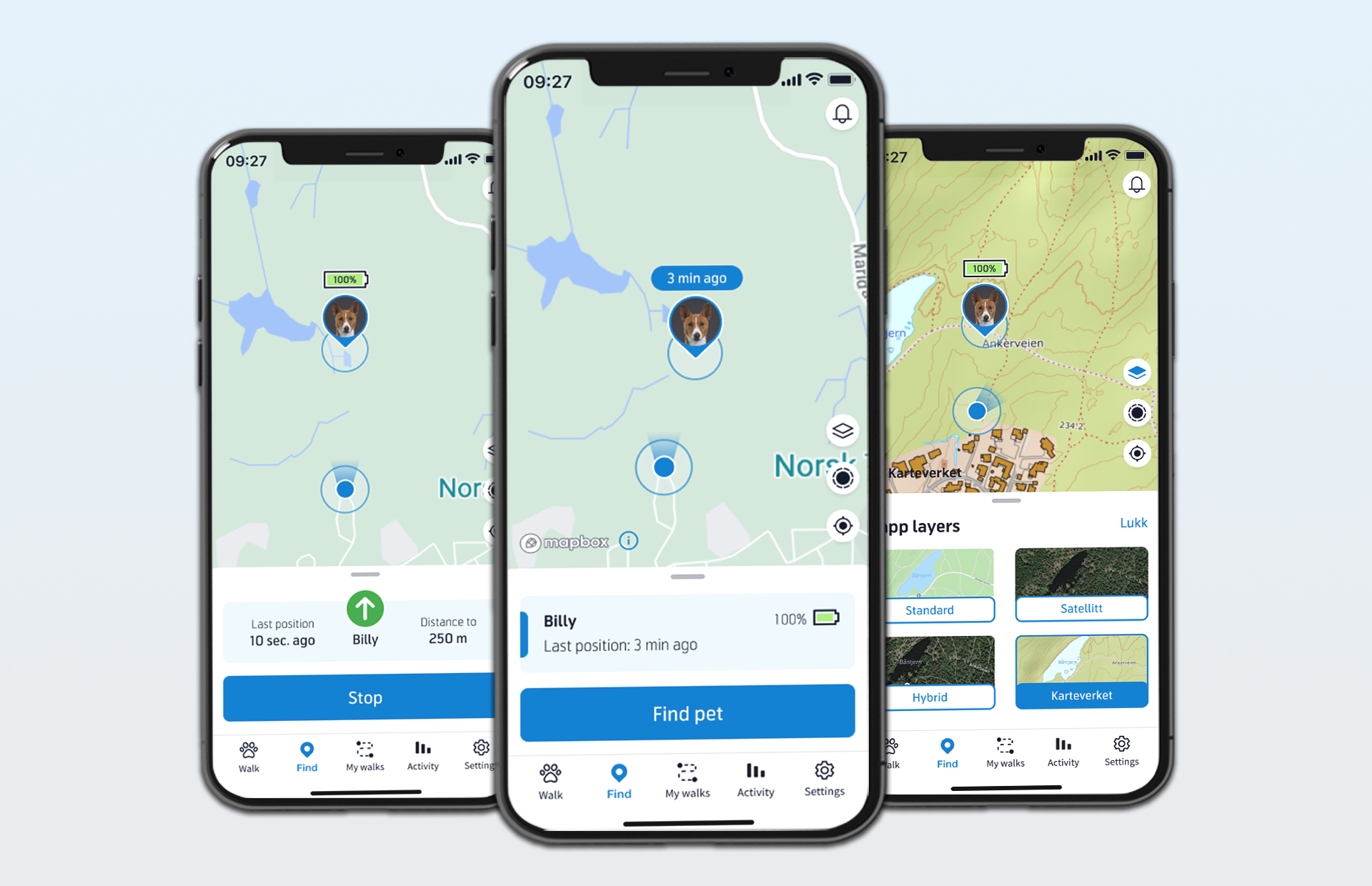
Level 2 – Internal Tool (For your own team)
At this stage, the core idea becomes usable for an internal team in their daily work. The biggest flaws are removed, basic safeguards are added, but the solution still assumes operation in a controlled environment with “friendly” users who forgive errors.
- Business Value: Automation of internal processes and time savings for employees. The tool begins to generate real Return on Investment (ROI) within the organization.
- When to choose: When you need to streamline your own team’s work (e.g., a script for generating reports, an internal admin panel) and you are certain that users will forgive occasional crashes.
- Limitations: The system is not ready for external traffic. It lacks advanced monitoring, and a crash means the creator must manually restart the server or fix the database.
- CEO Takeaway: This is a great testing ground. Before offering a product to the market, test it on your own employees (dogfooding). Remember, however, that internal success does not equal readiness for external clients.
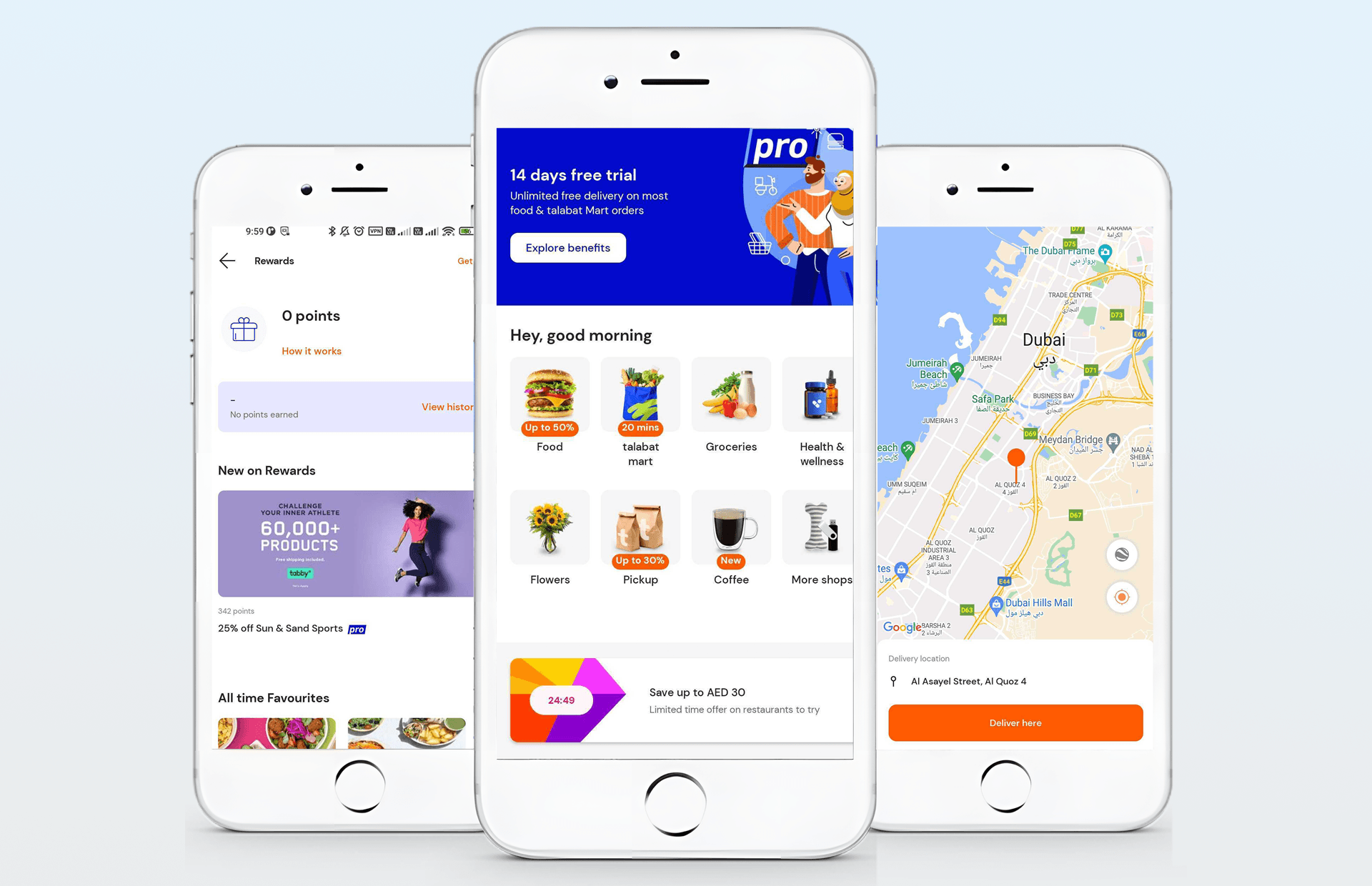
Level 3 – Maintainable Product (Long-term evolving software)
The architecture, code, and infrastructure are designed so that the system can be safely maintained, extended, and updated over time. This requires the implementation of automated tests, version control, monitoring, proper deployment pipelines (CI/CD), and documentation. At this point, the solution becomes a true product with its own lifecycle.
- Business Value: Stability, predictability, and the ability to safely scale the development team. The product can be offered to the first paying customers (B2B/B2C).
- When to choose: When entering the market with a Minimum Viable Product (MVP) and planning long-term development. This is the absolute minimum for any commercial SaaS software.
- Limitations: It may not withstand sudden, massive spikes in traffic (e.g., after a TV appearance). It still lacks advanced security certifications (e.g., SOC 2) required by the largest corporations.
- CEO Takeaway: This is where real software engineering begins. Development costs rise, but you are investing in foundations that will prevent technological paralysis in the future.
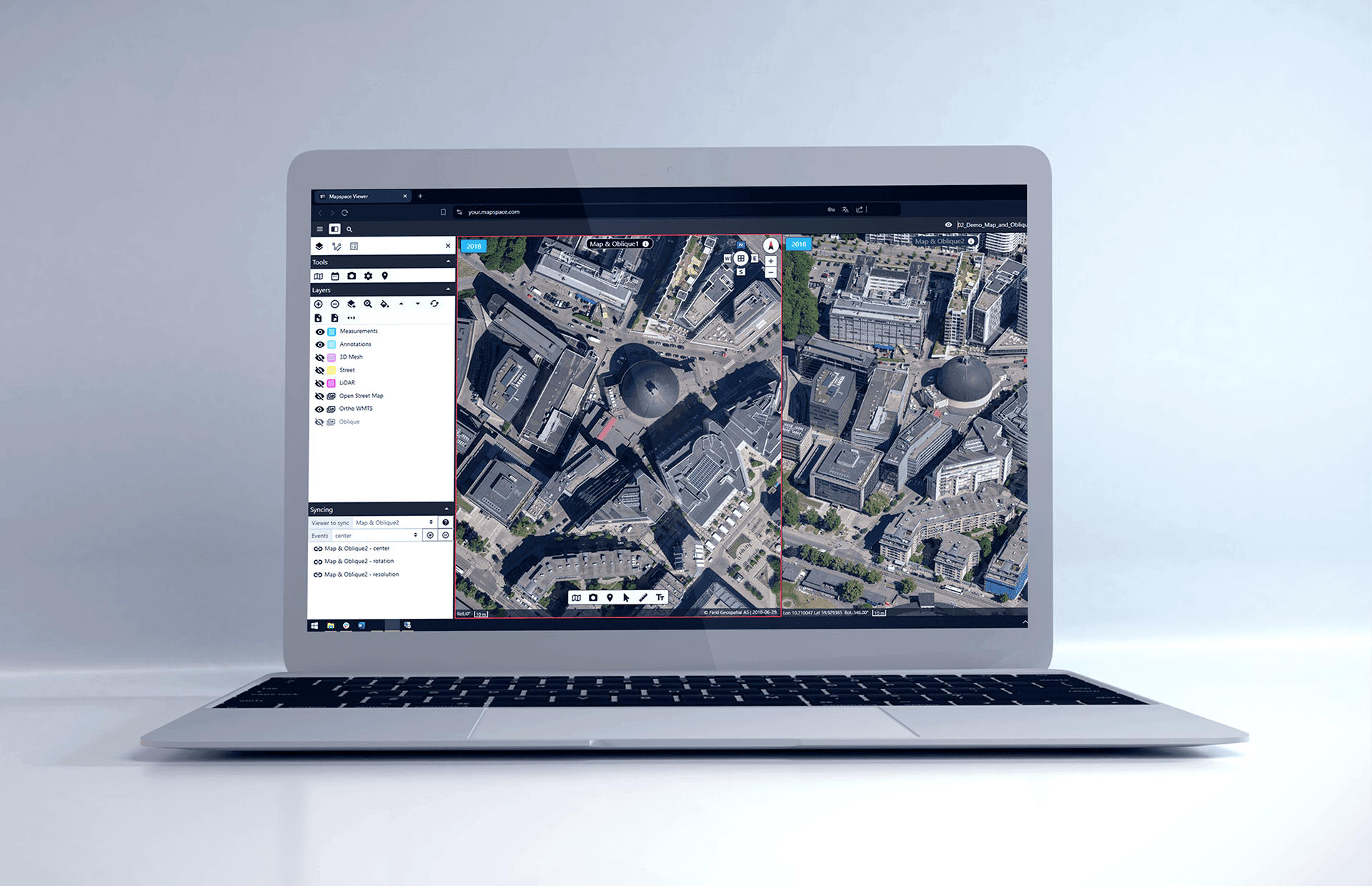
Level 4 – Global Production-Grade System
This is a fully professional solution designed to reliably serve many users across different regions under real load. It requires a rigorous approach to security, regulatory compliance (e.g., GDPR), audit trails, Role-Based Access Control (RBAC), advanced monitoring, incident response processes, and clearly defined SLAs.
- Business Value: The ability to serve Enterprise clients, meet strict legal requirements, and guarantee business continuity (High Availability).
- When to choose: When your product handles financial transactions, processes sensitive medical data (HIPAA), operates in regulated markets, or aims for global dominance with millions of users.
- Limitations: Very high costs for infrastructure, maintenance, and audits. Long Time-to-Market for new features, as every change must pass rigorous testing and compliance procedures.
- CEO Takeaway: Do not build Level 4 from day one unless you operate in a highly regulated industry (e.g., FinTech, MedTech). Scale to this level only when you have a proven business model and the budget to maintain “corporate” quality.
Why Does Level 4 Require Significantly More Time and Effort?
Transitioning from a prototype to a production solution is not a matter of “adding a few features.” It is a paradigm shift. Technical complexity grows exponentially when we introduce requirements for scalability, security, compliance, and reliability.
A prototype is optimized for speed and learning. It typically:
- Operates on limited, curated data and simplified scenarios.
- Runs in a sandbox environment or minimal cloud setup.
- Is tested by a small group of users aware of its limitations.
In contrast, a production-grade system must:
- Reliably handle real-world traffic from many users simultaneously.
- Integrate with external systems (CRM, ERP, payment gateways, communication tools).
- Provide monitoring, logging, and alerting to guarantee stability.
- Recover smoothly from failures (graceful degradation) without disrupting users’ work.
- Meet strict security and compliance requirements over the long term.
The Hidden Costs of Technical Debt and Bugs
Skipping or rushing these steps usually results in fragile systems that are difficult to maintain, prone to failure, and extremely expensive to fix at a later stage. This phenomenon is known as technical debt.
Industry research shows that technical debt can consume up to 40% of the value of a company’s technology estate, diverting engineers from innovation to constantly “putting out fires” [1]. Furthermore, the cost of fixing a bug grows exponentially with the software lifecycle stage. A bug that costs $100 to fix during the design phase might cost $1,000 during coding, and once deployed to production, its cost can increase up to 30-fold [2].
New Challenges: Deploying AI (LLM) Systems to Production
For artificial intelligence solutions, such as systems based on Large Language Models (LLMs) or voice interfaces, additional, often hidden requirements emerge:
- Performance and cost monitoring: AI models can generate unpredictable costs depending on prompt length and traffic.
- Managing edge cases: AI is probabilistic, meaning it can react unpredictably to unusual input data.
- Safeguards against abuse: The necessity to implement mechanisms protecting against attacks like prompt injection or manipulation.
- Fallback scenarios: The system must know what to do when model confidence is low or when the AI provider’s API is unavailable.
- Versioning prompts and models: To ensure safe updates without degrading response quality.
These aspects are rarely visible during flashy demonstrations, but they are absolutely crucial for stable real-world deployment [3].
How to Approach Projects Wisely?
To balance delivery speed, quality, and investment risk, the best practice is a phased delivery approach with clearly defined milestones.
This approach allows for early validation of business value through prototypes or MVP versions, while the underlying architecture is prepared from the start with future scalability, compliance, and long-term maintainability in mind.
Typical Delivery Stages
Stage 1 – Prototype or Proof of Concept (Level 1 – 2)
- Goal: Validate the core idea and confirm business value within a limited scope.
- Duration: Typically a few weeks.
- Deliverable: A working demo or internal tool tested in a controlled environment.
Stage 2 – Pilot or Internal Production (Level 2 – 3)
- Goal: Make the system robust enough for regular internal use or limited customer testing.
- Actions: Implementation of monitoring, basic security mechanisms, deployment pipelines, and improved stability.
Stage 3 – Full Production Rollout (Level 4)
- Goal: Create a scalable, secure, and compliant system ready for broad deployment across regions, languages, or business units.
- Actions: Performance optimization, security hardening, ensuring compliance (e.g., GDPR), backup strategies, and implementation of operational processes.
Each of these stages allows stakeholders to make an informed decision: whether to remain at the current maturity level or invest further to unlock new capabilities, such as broader deployment, stronger reliability guarantees, or stricter compliance.
What to Do When a Prototype Already Exists?
If an organization already has a working prototype and the goal is to quickly achieve production readiness, the first and most important step should be a focused technical and architectural review.
Such an audit helps identify:
- Which components can be safely reused.
- Which elements require a complete redesign to meet production standards.
- What additional capabilities (e.g., CI/CD, monitoring, RBAC) must be implemented to ensure scalability, compliance, and long-term maintainability.
Following the review, a clear roadmap is created detailing the transition from prototype to production, including expected effort, priorities, and schedule.
This ensures transparency for both sides and makes the path from a promising concept to a reliable production system predictable and well-structured.